
Editor's note: The Echo is introducing a new health column feature called The WellNest Watch. In this space each week, graduate students in EMU's College of Health of Human Services will explain news, research and standard practices in the field of health and wellness.
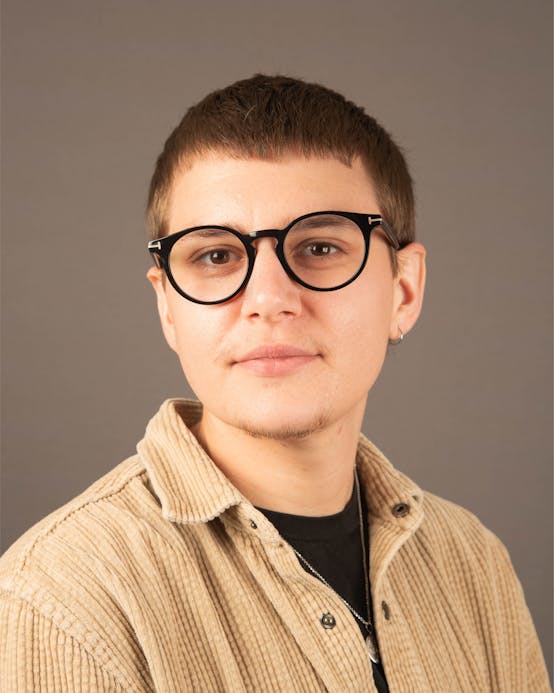
Kegan Tulloch is a graduate assistant in EMU's Office of Health Promotion.
When people think about health, they often think about hospitals, doctors and the care received after they are already sick or injured. Behind the scenes, another field works quietly to keep entire populations healthy before illness strikes — public health.
Public health is the practice of protecting and improving the well-being of communities through education, policy, research and preventive care. Instead of focusing on treating illness after the fact, public health aims to stop problems before they start.
Public health professionals tackle everything from researching infectious diseases to promoting healthier lifestyles, preventing injuries, responding to public health emergencies and reducing health disparities that unfairly affect certain populations. In many ways, it is one of the most important fields for shaping longer, healthier and more equitable lives around the world.
Public health is not just about vaccines, clean water or preventing pandemics, although those are essential. It also addresses complex issues that affect daily life, such as mental health, nutrition, reproductive health, workplace safety and access to health care.
Public health professionals wear many hats: educators who design programs to help people make healthier choices; policy advocates who push for safer laws, such as seat belt requirements or smoke-free zones; researchers who investigate patterns of disease; and administrators who bring services to underserved communities. They work locally, nationally and globally, with populations as small as a single neighborhood or as large as entire regions.
One notable aspect of public health is its ripple effect. A single new policy, research discovery or awareness campaign can touch millions of lives. When smoking rates decline because of public health campaigns, lung cancer deaths drop. When vaccination programs expand, childhood mortality falls. These interventions are not just reactive; they create healthier futures.
The COVID-19 pandemic thrust public health into the global spotlight, highlighting the importance of prevention, education and rapid response. But the relevance of public health extends far beyond times of crisis.
Chronic illnesses such as diabetes, heart disease and mental health disorders remain major challenges, and public health works to reduce their impact. By promoting exercise, healthier eating, stress reduction and early screening, public health reduces the burden of these conditions before they become debilitating. At the same time, it addresses structural barriers such as poverty, racism and lack of access to resources that make staying healthy harder for some communities.
At its core, public health blends research, advocacy and action. It thrives on collaboration — drawing people from diverse disciplines to tackle some of the most pressing issues of the time. The goal is not only to prevent illness but also to build healthier societies where people have equal opportunities to live long, fulfilling lives.
Unlike medicine, which primarily responds to disease, public health is proactive. It asks not just how to treat illness but how to stop it from occurring in the first place. Every day, public health professionals work on solutions that might not make headlines but quietly change the trajectory of millions of lives. Clean drinking water, safer workplaces, stronger nutrition programs and effective health communication campaigns are all public health victories often taken for granted.
Looking toward the future, public health is a reminder that health is not just an individual responsibility but a collective one. Human well-being is interconnected, and when one group is left behind, the ripple effects can reach everyone.
Public health ensures that prevention, protection and opportunity for good health are shared by all.
So, the next time you put on a seat belt, get vaccinated or learn about nutrition from a campus campaign, remember that is public health in action.
Contributors to The WellNest Watch health column: Kegan Tulloch and Ebrima Jobarteh, graduate assistants in the Office of Health Promotions; and Shafaat Ali Choyon and Nathanial King, graduate hall directors in the Department of Residential Life. All four are master's degree candidates in the School of Public Health at Eastern Michigan University.


