


Bird enthusiasts based at the Cornell Lab of Ornithology recently celebrated a new record, using radar to count birds in flight at a single moment across the United States. That was 10 p.m. EST on Wednesday, Oct. 8, 2025, a night when 1.25 billion birds were recorded during their flight from the winter ground to the south. This was the highest count recorded by BirdCast, the radar network designed to track bird migrations, since the monitoring system was created more than two decades ago.
The previous record happened just on Thursday, Sept. 25, 2025, when ornithologists in New York tracked a record of 1.22 billion birds in flight at a single moment across the United States.
Increased incidents of bird-window collisions are prevalent during the fall migration period, when birds fly south toward better feeding grounds. In just one fall night in 2023, environmentalists recorded nearly 1,000 bird deaths from window collisions on a low-lying glass building overlooking Lake Michigan in Chicago.
Marissa Jardine, an Eastern Michigan University alumnus who is a licensed wildlife rehabilitator and the clinic manager at the Bird Center of Michigan, has treated birds injured in collisions. She also knows that such collisions occur across the county, including on EMU's campus.
“EMU has high buildings with glass windows, and during the night, songbirds can run into windows and have collisions,” Jardine said, adding that her center receives many calls about injured birds from Eastern's campus.
The U.S. Geological Survey's Bird Banding Lab reported in December 2024 that nearly 2 billion birds die each year in the United States after colliding with window glass. Thousands more are injured. The reports are based on two studies. One was released publicly in February 2025 and conducted by ornithologists at Muhlenberg College in Pennsylvania. It projected bird deaths could be closer to 3 billion a year. The other report, published in August 2024 and conducted by a team of people including members of the NYC Bird Alliance, put the deaths at 2 billion a year.
In the Ypsilanti area, the peak fall bird migration is expected between Sept. 2 and Oct. 4, according to the Cornell Lab, which created and operates BirdCast. So the possibility of bird-window collisions increases here as well.
Jardine said students or anyone who finds an injured bird should start by gently throwing a towel over the bird and putting it in a box.
“Do not give food or water,” Jardine said, explaining that food or water can cause different effects and harm the bird, especially if it is a baby.
Then call the Bird Center, Jardine said. The center can be reached at 734-761-9640, and a staff member there will provide instructions on what to do next depending on how badly the bird is injured.
The goal is to keep it in a safe place while it is vulnerable. It is essential to observe whether the bird is bleeding, has a drooping wing or just can't seem to fly, and to report those conditions to the Center.
Those who own the buildings where birds regularly hit the windows may want to consider preventive measures.
The Michigan Audubon Society recommends breaking up reflections across the outer surface of windows with temporary stickers or paint. They also recommend placing bird feeders at least 30 feet away from windows, moving indoor plants several feet away from them and reducing artificial night lighting.
At McCormick Place Lakeside Center in Chicago, where so many birds died in 2023, the Metropolitan Pier and Exposition Authority added bird-safe film to the windows, and the avian death rate fell by roughly 95% the next fall migration season in 2024.
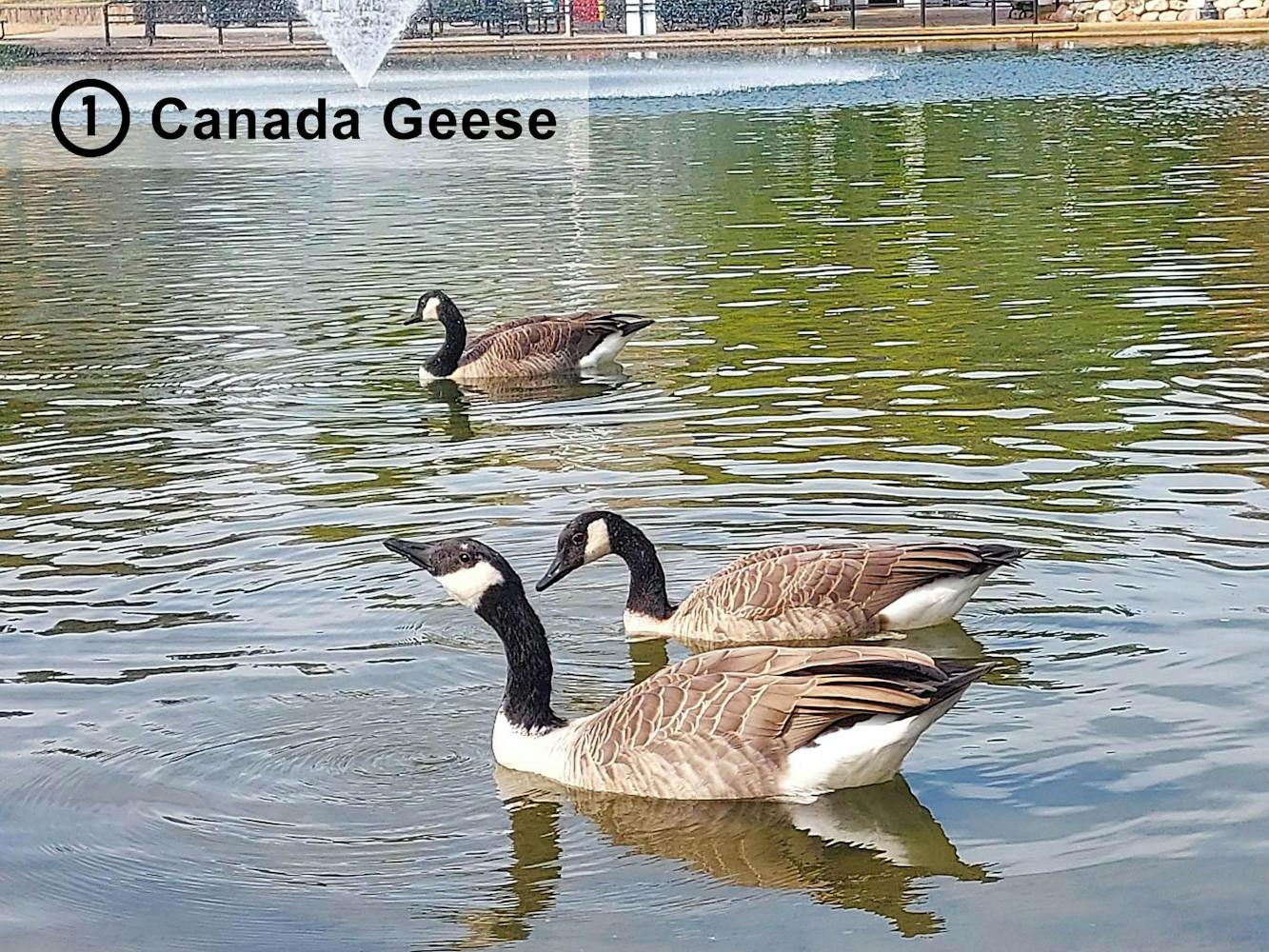
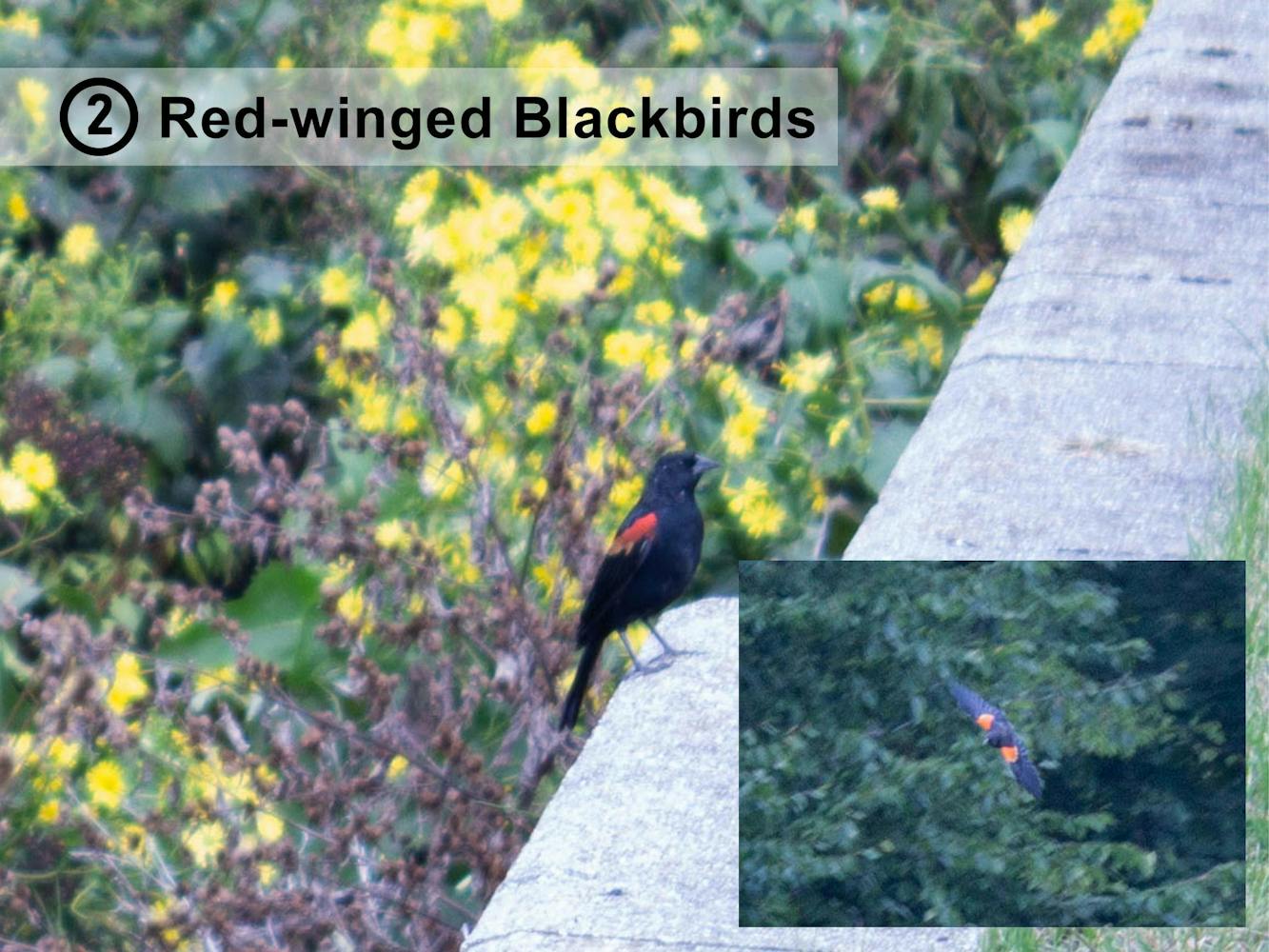
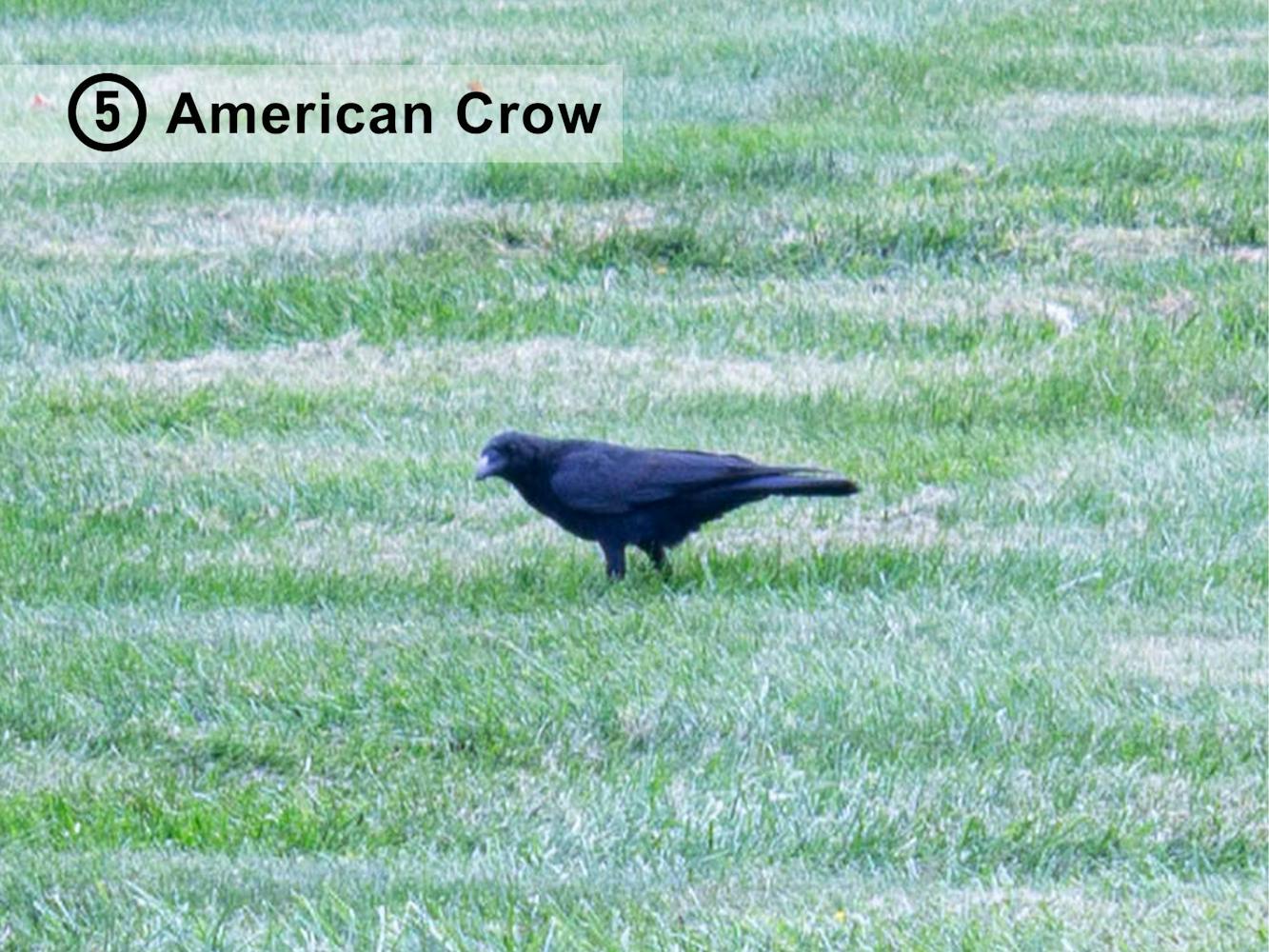
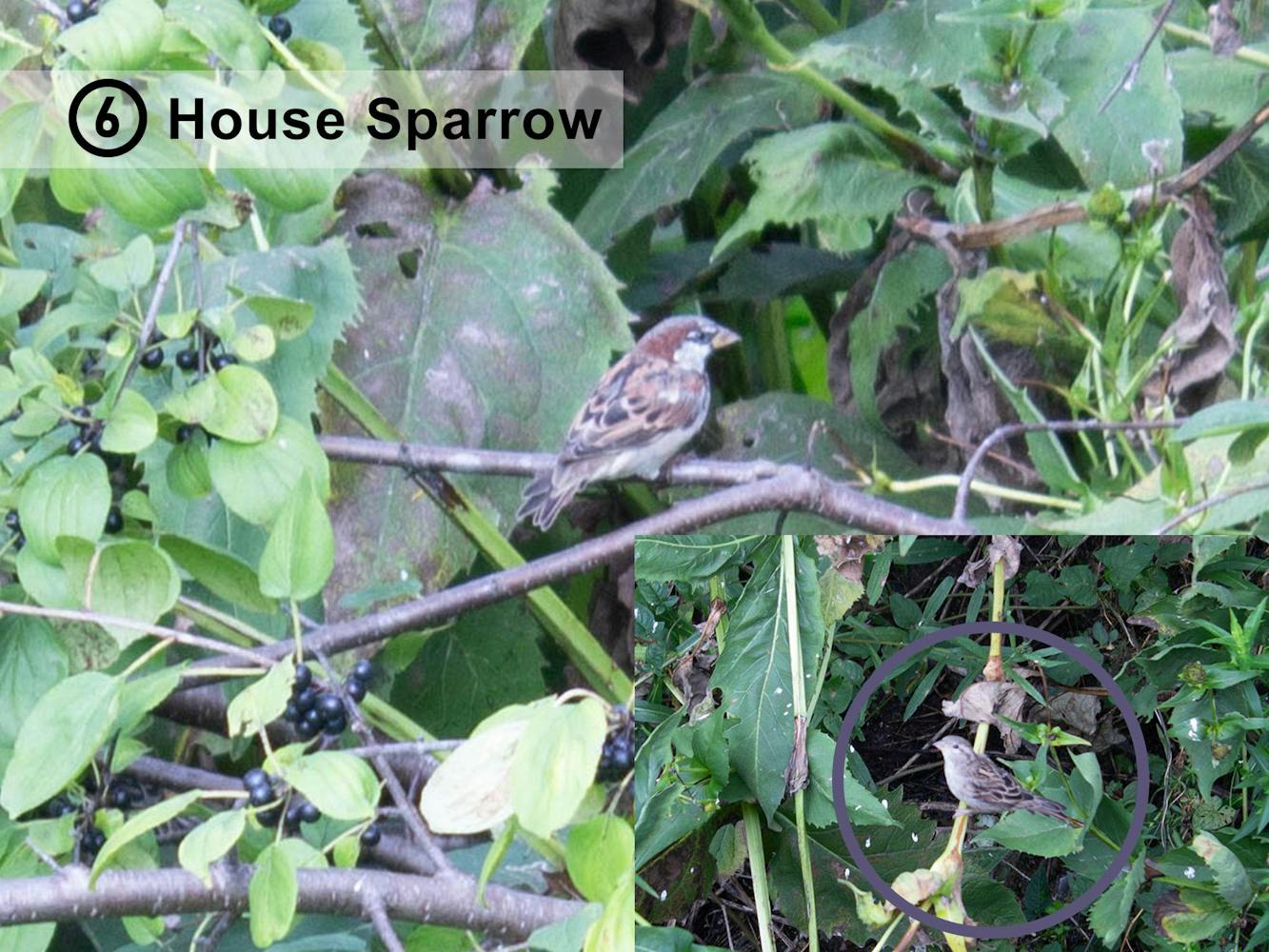
Jardine started her career with an internship at the Bird Center while she was a student at Eastern. Now, she manages the clinic there. She also helped The Echo staff identify a few birds that live on the university's campus or might be flying through for the migration period.
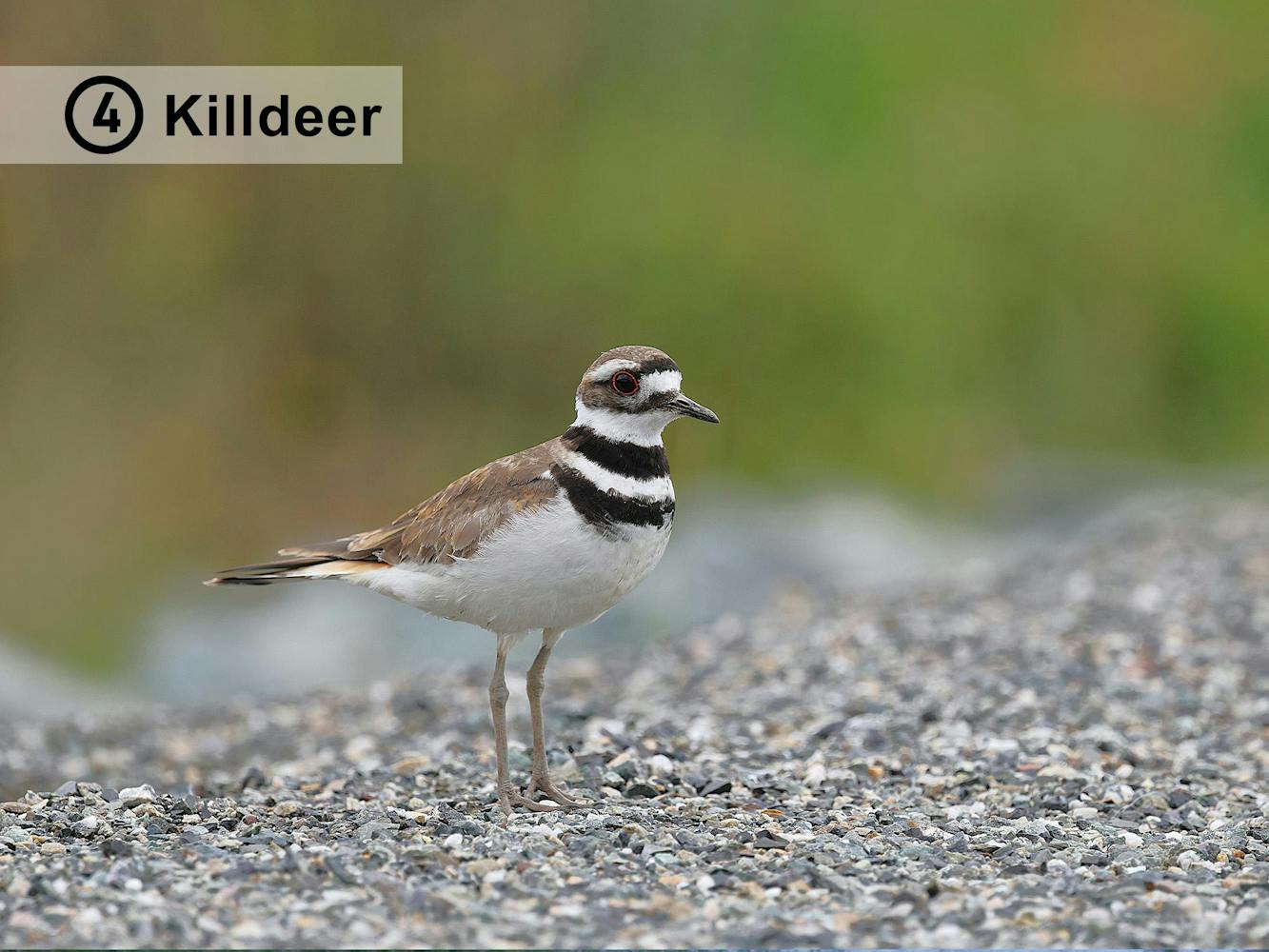
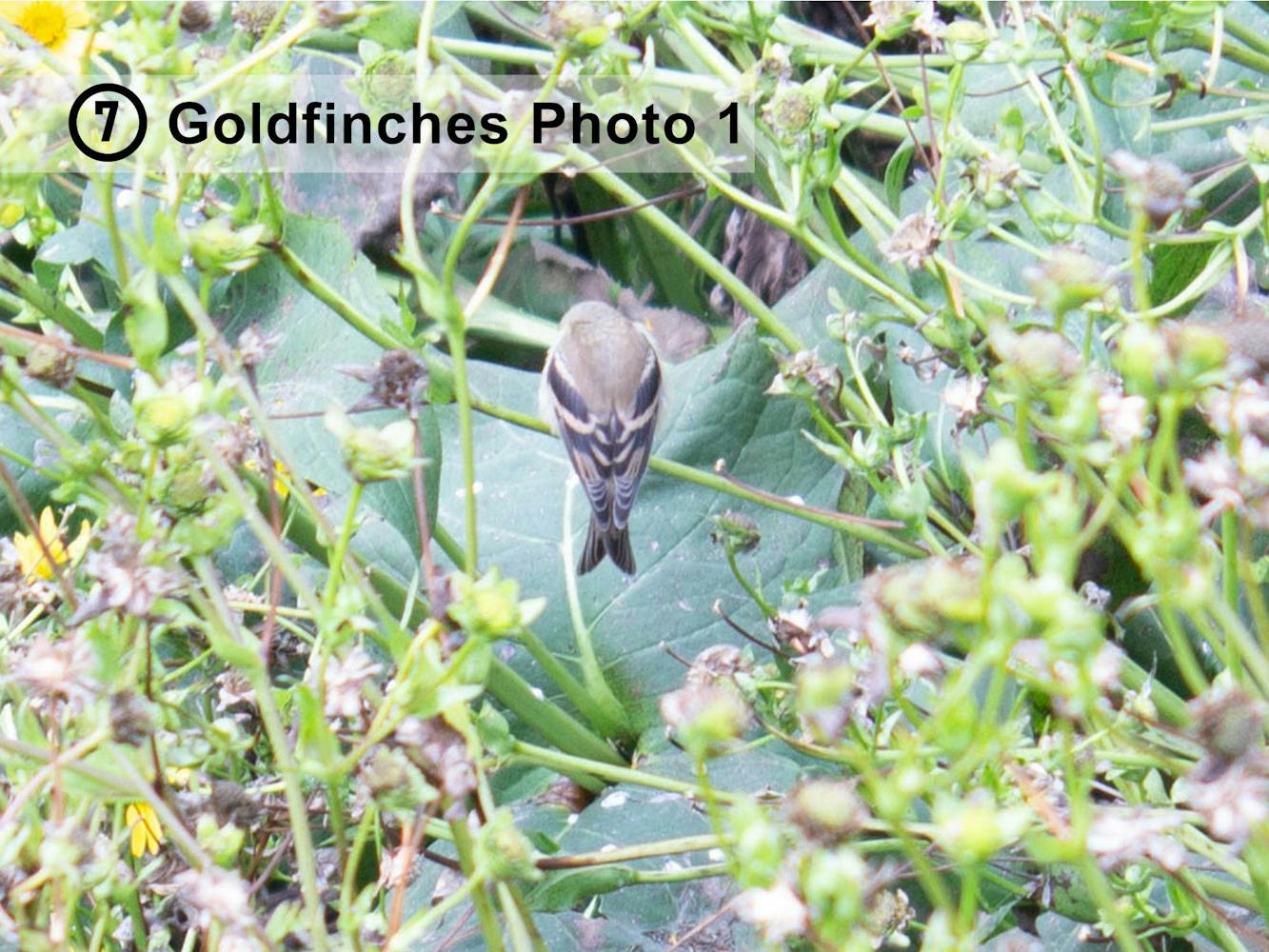
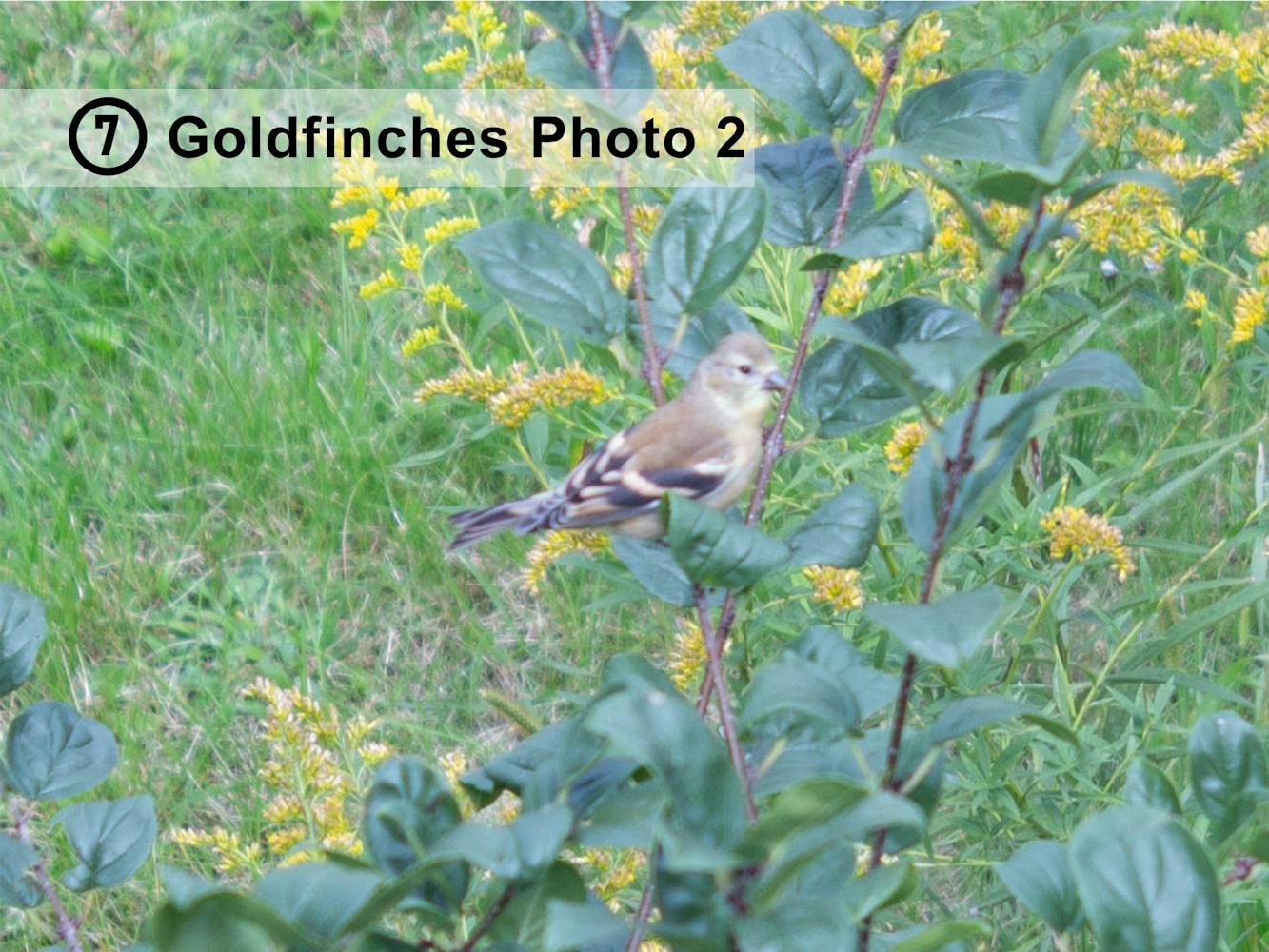
Among the birds that migrate through or leave from the Ypsilanti area for a trip south are the ruby-crowned kinglet, the eastern wood-pewee, the rose-breasted grosbeak and the bay-breasted warbler. The Lincoln's sparrow, Wilson's warbler and solitary sandpiper are among some of the others.
Robins? Yes, some migrate. Some don't. The same is true of Canada Geese. Michigan songbirds also head south this time of year.
The BirdCast project includes a live tracking chart online. The BirdCast Migration Dashboard also offers a look at the frequency of sightings of particular birds in an area, such as Washtenaw County.
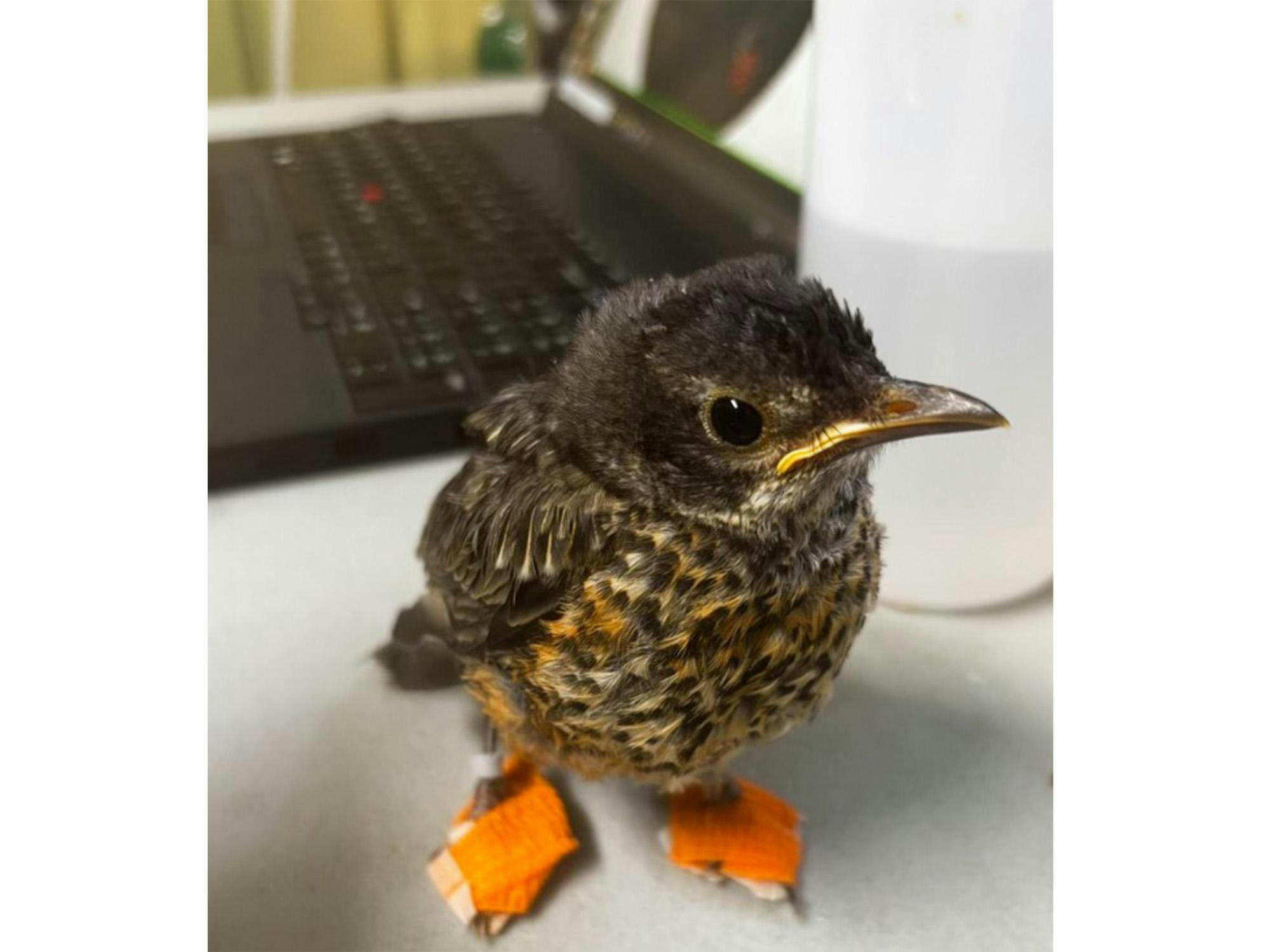
A fledgling robin with a foot abnormality is being treated by the Bird Center of Michigan in Saline. Courtesy of Marissa Jardine, the Bird Center Clinic manager, and the Bird Center of Michigan in Saline
Other injuries and disease
Over at the Bird Center in Saline, Jardine said the rehabilitation team often cares for birds with injuries due to the weather in Michigan, such as cold or frostbite.
A number of efforts around the country and the world work to educate the public about bird collisions. For instance, Sept. 22-28 has been established as Global Bird Rescue Week, as promoted by the Fatal Light Awareness Program in Toronto, Canada. The Fatal Light Awareness Program maintains a registry of bird-window collisions, voluntarily reported by participants around the world. As of Sept. 27, those volunteers had reported 111,492 collisions in 2025 that resulted in the deaths of at least 79,000 birds.
Jardine gave a special warning about the avian flu because of its substantial increase.
“Keep a lookout for waterfowl,” she said. “Geese and ducks can be contagious to other birds.”
The symptoms for the flu could be respiratory, sneezing, crossy eyes, or uncoordinated appearance of the sick bird. Please call the Bird Center of Michigan to report.
Feeding tips
Although Jardine and other rescue experts strongly discourage feeding injured birds, most are okay with backyard bird feeders.
“Bird feeders are fine," Jardine said, adding that cleaning is necessary. "Make sure to clean the bird feeder to avoid disease factors."
The hand-feeding opportunities, however, are the ones to avoid, whether a bird is injured or not. Feeding geese or ducks with bread or hand-feeding birds increases the chances of the animals developing nutritional deficiencies and infections.
Opportunities at the Bird Center
Jardine said the center offers off-site educational programs for a fee. Those interested can find more information on the Education page of the center's website.
The Bird Center is seeking volunteers for three-hour shifts on weekdays in the fall and winter. Students who are interested in volunteering can apply online.
Students who are interested in an internship can send a resume and application to the clinic at clinic@birdcentermi.org. Potential applicants can see the required qualities and responsibilities on the Bird Center website.
Those interested in learning more about birds and their migration patterns can visit the websites of dozens of organizations dedicated to their study, including Cornell Lab - All About Birds website, Audubon, National Geographic Birds, and the Global Bird Rescue site operated by the Fatal Light Awareness Program in Canada.


