

The city of Ypsilanti is using a $144,000 state grant to create a comprehensive inventory of its publicly owned trees, a project that city officials say will improve safety, streamline maintenance and guide future investments in the city’s urban forest.
The funding, which was awarded through the Washtenaw County Conservation District, will allow the city to catalog approximately 6,000 trees located in public rights-of-way, parks and around city-owned facilities.
In addition to documenting the condition of each tree, the project will produce Ypsilanti’s first urban forest management plan and provide new software to help Public Works staff manage tree maintenance.
Bonnie Wessler, the City of Ypsilanti Public Works director, said the inventory will give the city a clearer understanding of the condition of its trees and help officials make better decisions about maintenance and replacement.
“The deliverables that we’re getting from this project are a complete inventory of all publicly owned trees,” Wessler said. “The inventory will also include condition reports and recommendations for future budgeting, tree replacement and trimming schedules tailored to the city’s specific tree population."
The project also includes the implementation of TreeKeeper, a GIS-based tree management system that will replace the department’s current spreadsheet-based tracking process. Wessler says the new system will allow employees to access tree records in the field and spend less time managing paperwork.
“The less energy we have to spend on administrative tracking, the more energy we can spend on execution," Wessler said.
Beyond improving their record-keeping, the inventory is expected to strengthen the city’s ability to identify and address hazardous trees. Wessler said consultants have already identified several trees that were not on the city’s radar before.
Wessler said the new project will help the city streamline their current data.
“It’ll help us to leverage our limited resources better to do the most impactful work,” Wessler said. “Managing an urban forest can be a bit like whack-a-mole because there’s always something urgent happening.”
The grant also includes funding for new trees to be planted. Some trees have already been planted in the Heritage Park neighborhood on Ypsi’s south side, Wessler told The Echo.
Margret Hanes, who leads TreEMU, an Eastern Michigan University project that documents the woody plants on campus and maps their locations, said that the importance of documenting and understanding the urban tree population extends beyond the the city’s initiative.
TreEMU identifies campus trees by species and maps where they are located.
While TreEMU is not officially involved with the city’s current project, Hanes said comprehensive tree inventories can help communities determine where trees are located, find potential hazards and make informed decisions about the future.
“If we know that there's a tree species that has really weak wood, and branches might fall, it is really great to be like, 'Oh,' after a storm, (and) we might go check on those trees, and we know exactly where they are.”
Hanes, in addition, said the benefit to these initiatives goes far beyond locating and maintenance: “We breathe better, we have better mental health, all of those things come with increased biodiversity.”
Wessler said expanding the city’s tree canopy offers several benefits, including reducing stormwater runoff, mitigating the urban heat island effect, improving local ecosystems and enhancing residents quality of life.
“It helps us to use the community’s resources most wisely to get maximum impact,” she said.
Residents and visitors can find places to enjoy the initiative here.
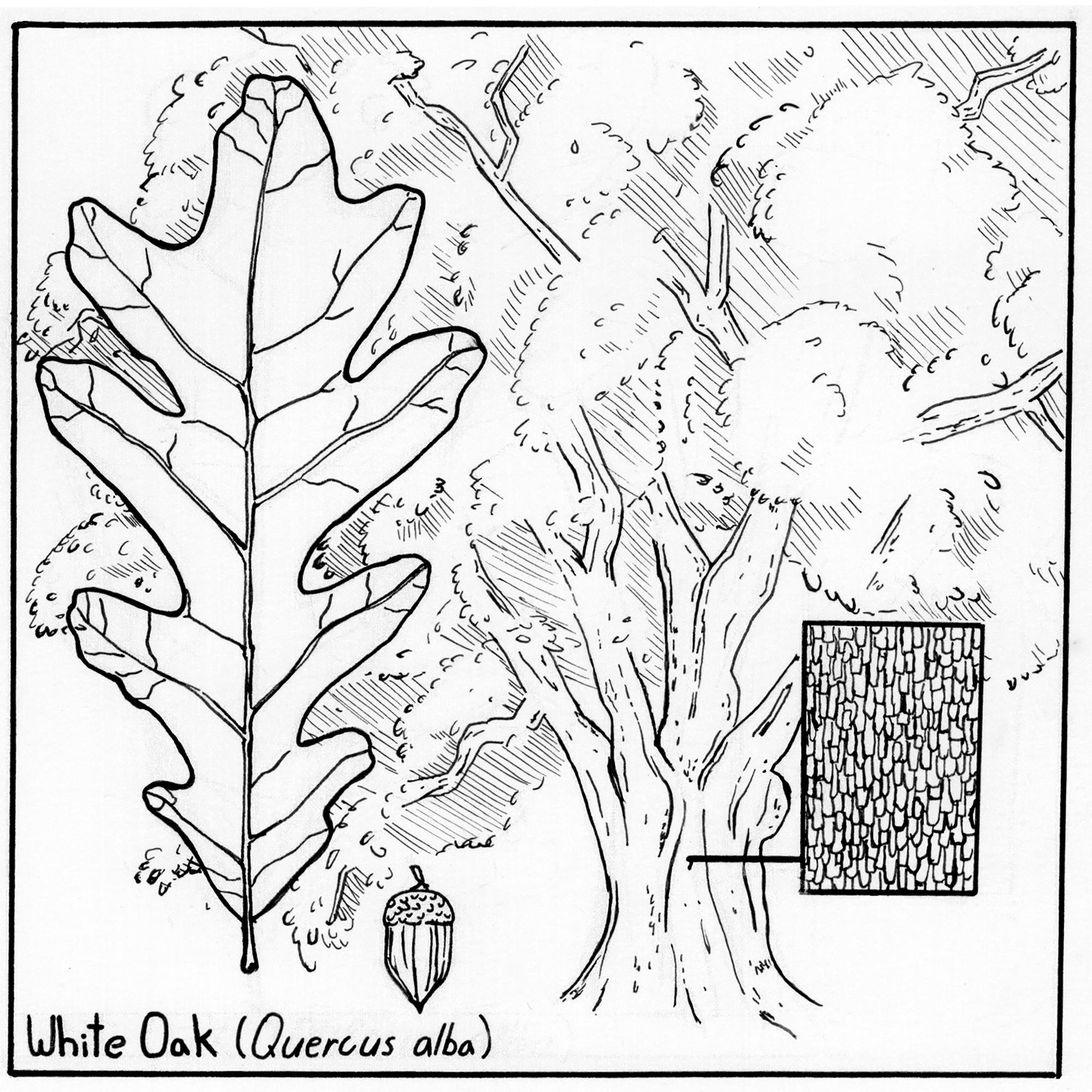
The white oak is a native species of tree to Ypsilanti and will be inventoried in this project.


